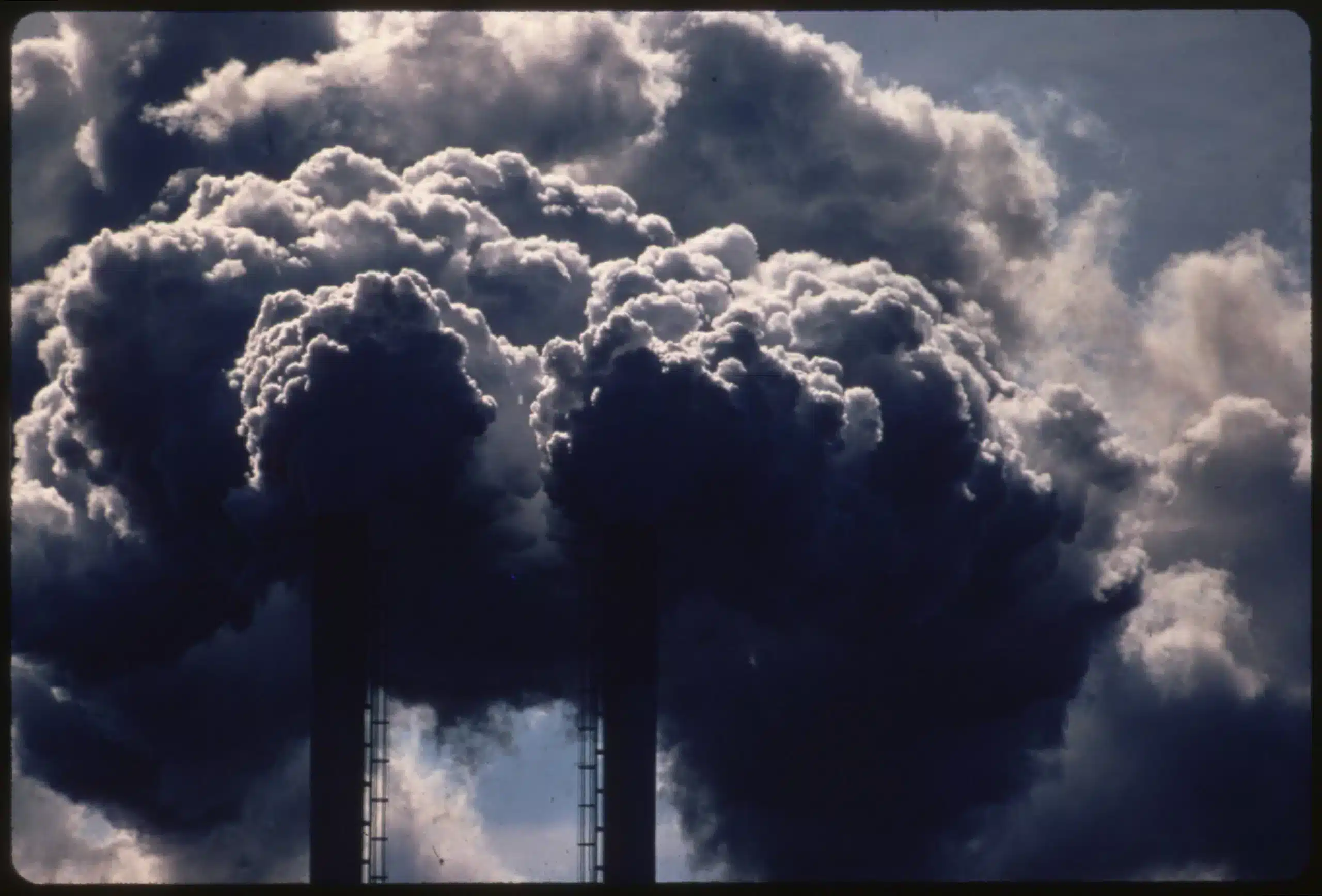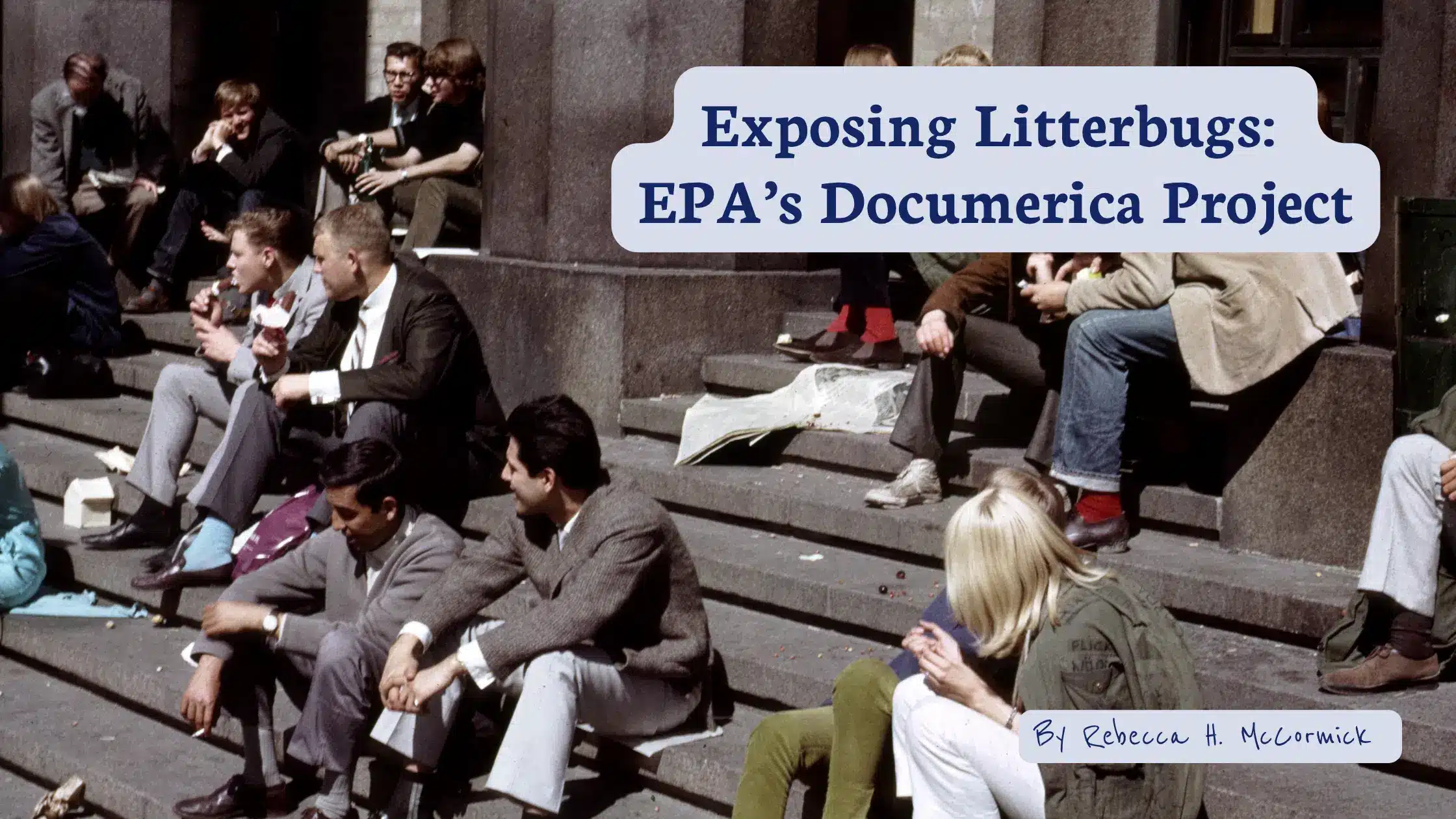
A huge part of making history come alive for Modern History Unboxed has been finding great photos and illustrations to add to our booklets.You may be surprised by something that struck me as I worked to find photos from 1900 to the 1970s, especially of everyday life or images from cities. Can you spot it?
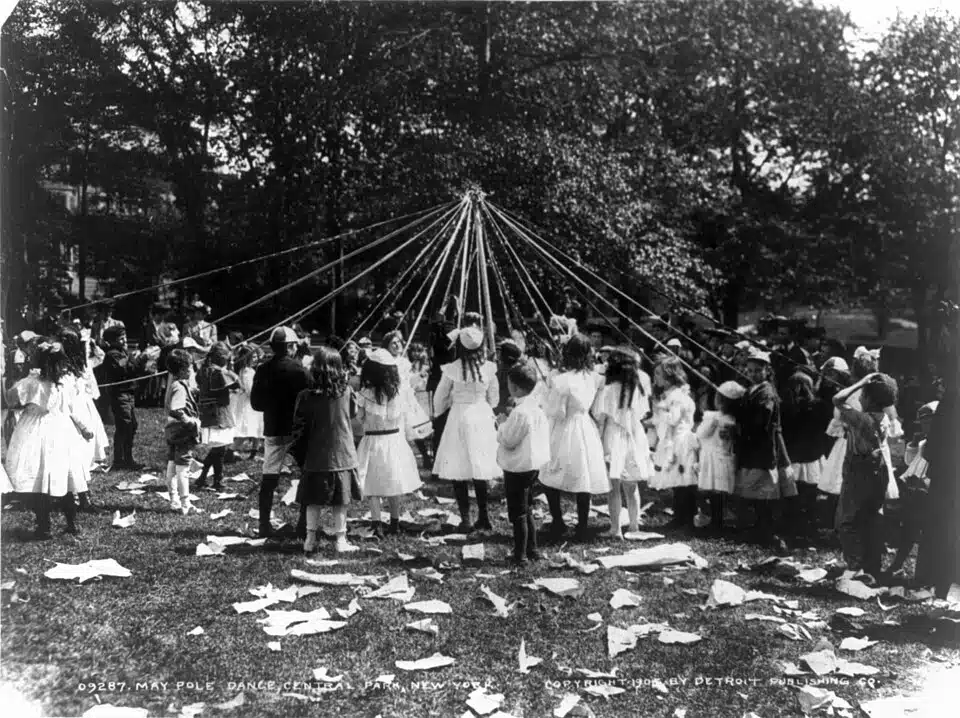
What about here?
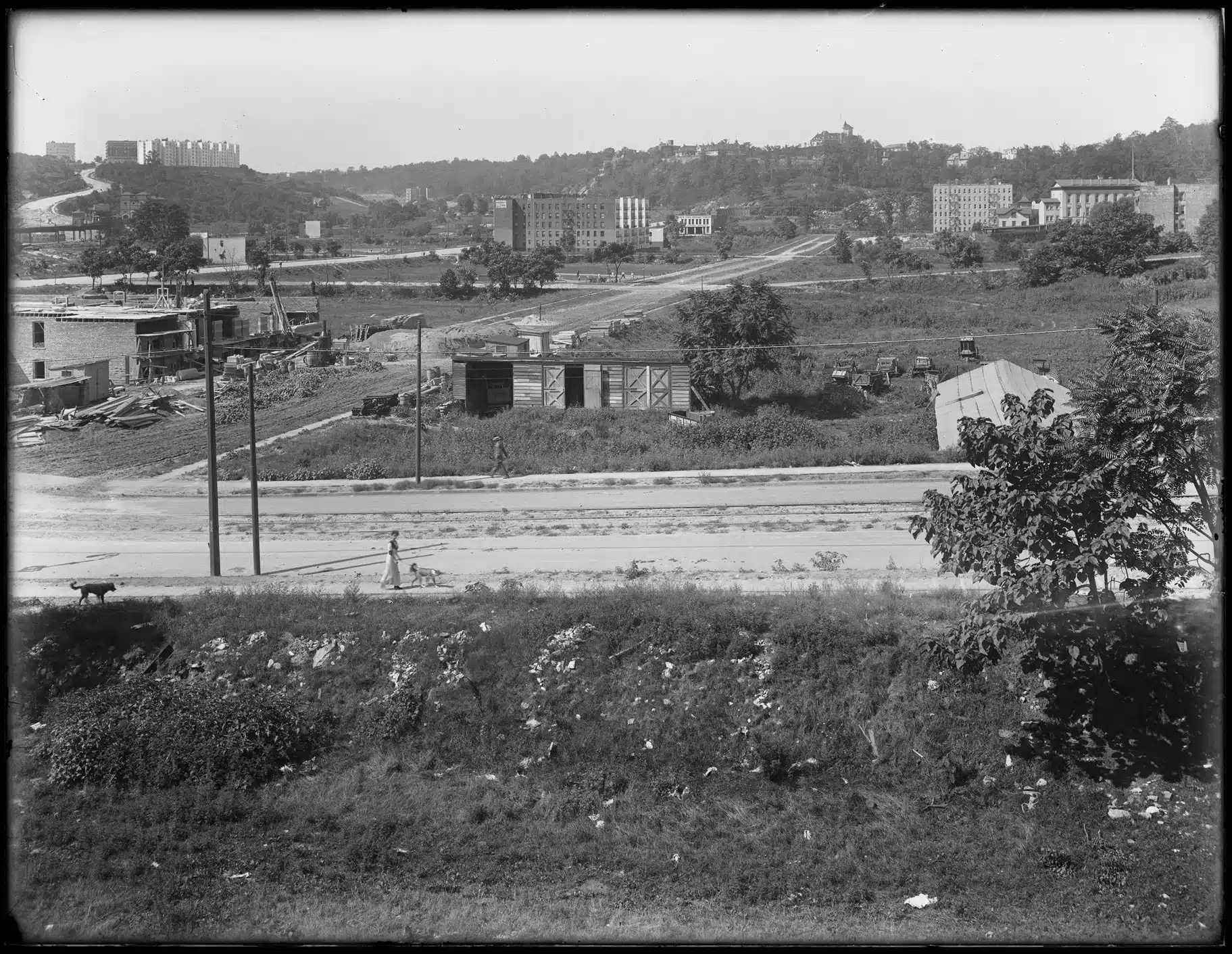
Or here?
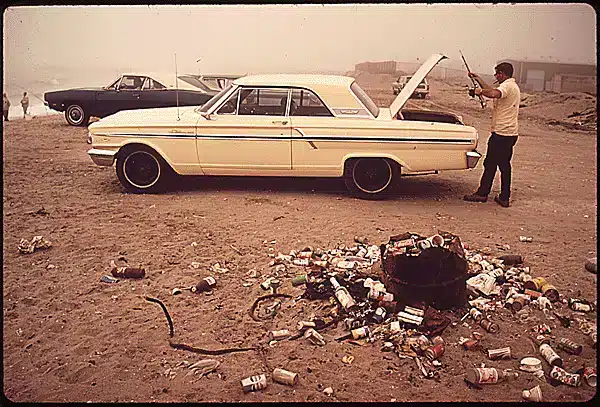
After seeing these photos, I asked my mother, who was born in the mid-1960s about her memories of litter. She recalled a memorable family trip to the beach when she was a little girl. They had brought their towels and a little radio for entertainment and were ready for a fun day in the waves. But within minutes of settling on the sand, they were swarmed by flies that had been hiding in the soda cans and food packaging littering the beach. She remembers her father scooping her up and running back to the car, a beach day ruined.
Did you notice the trash and litter in the photo? But what happened between the 1970s and now to make litter and dumping of waste such a thing of the past? Concern over the human impact on the planet had been growing throughout the 1960s. In 1962, the publication of Silent Spring by Rachel Carson had brought attention to the destructive power of pesticides like DDT. In 1970, the Environmental Protection Agency (EPA) was founded by the U.S. government.
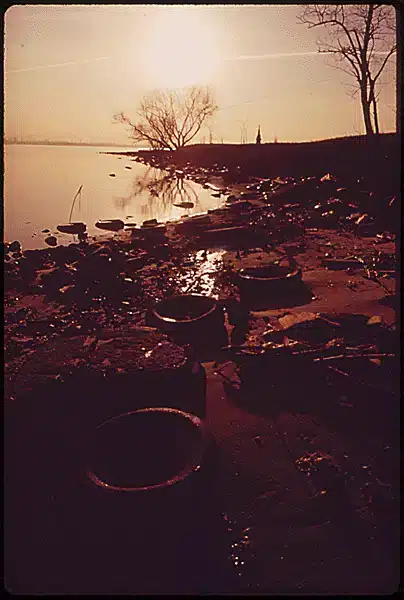
One of the first actions of the EPA was to enlist photographers to document the current state of the environment and “pictorially document the environmental movement in America during this decade.” Over 100 photographers participated in the Documerica Project and contributed over 80,000 photos with 22,000 photos included in the final project which now live in the National Archives in Washington, D.C. (as well as digitally).
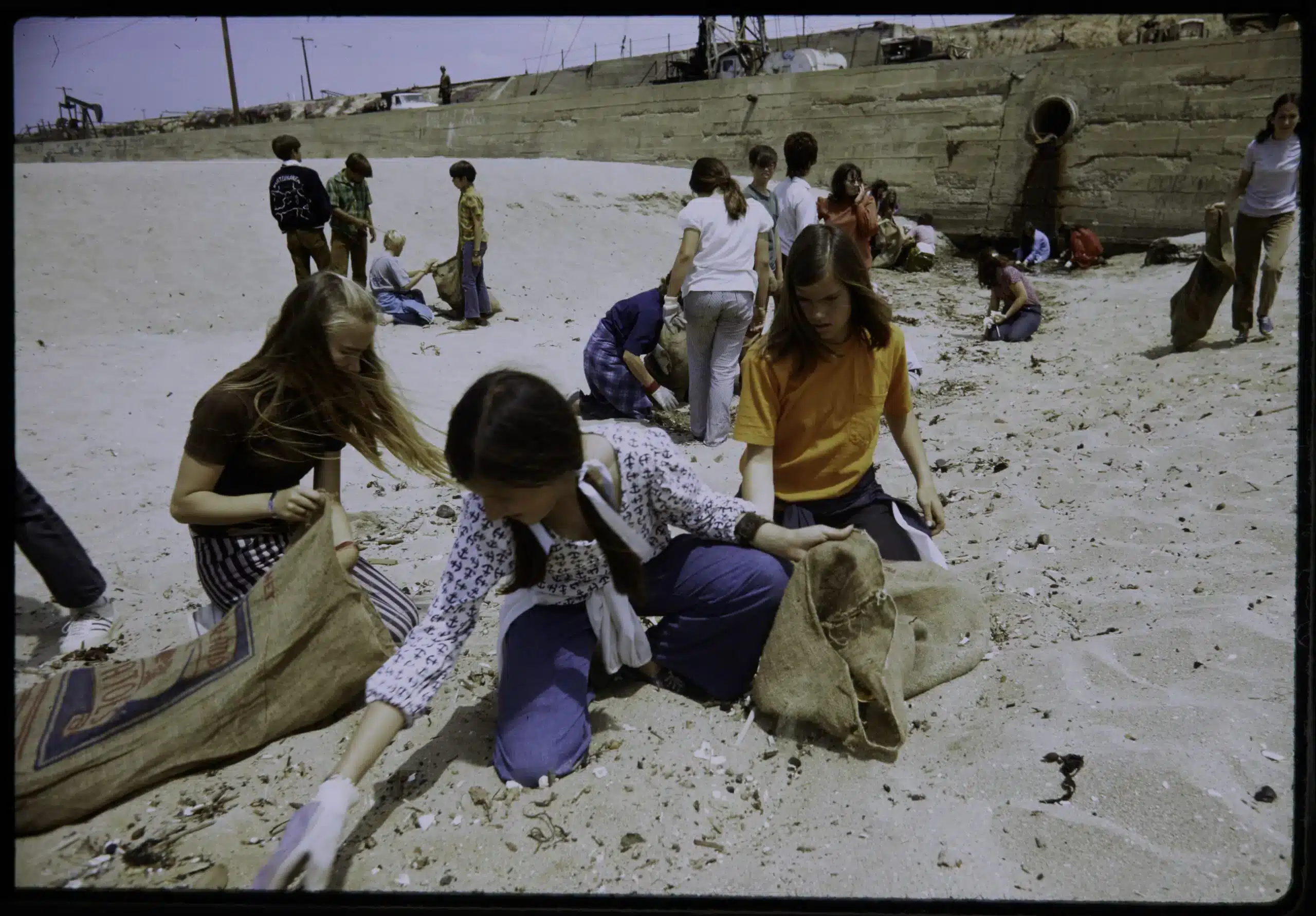
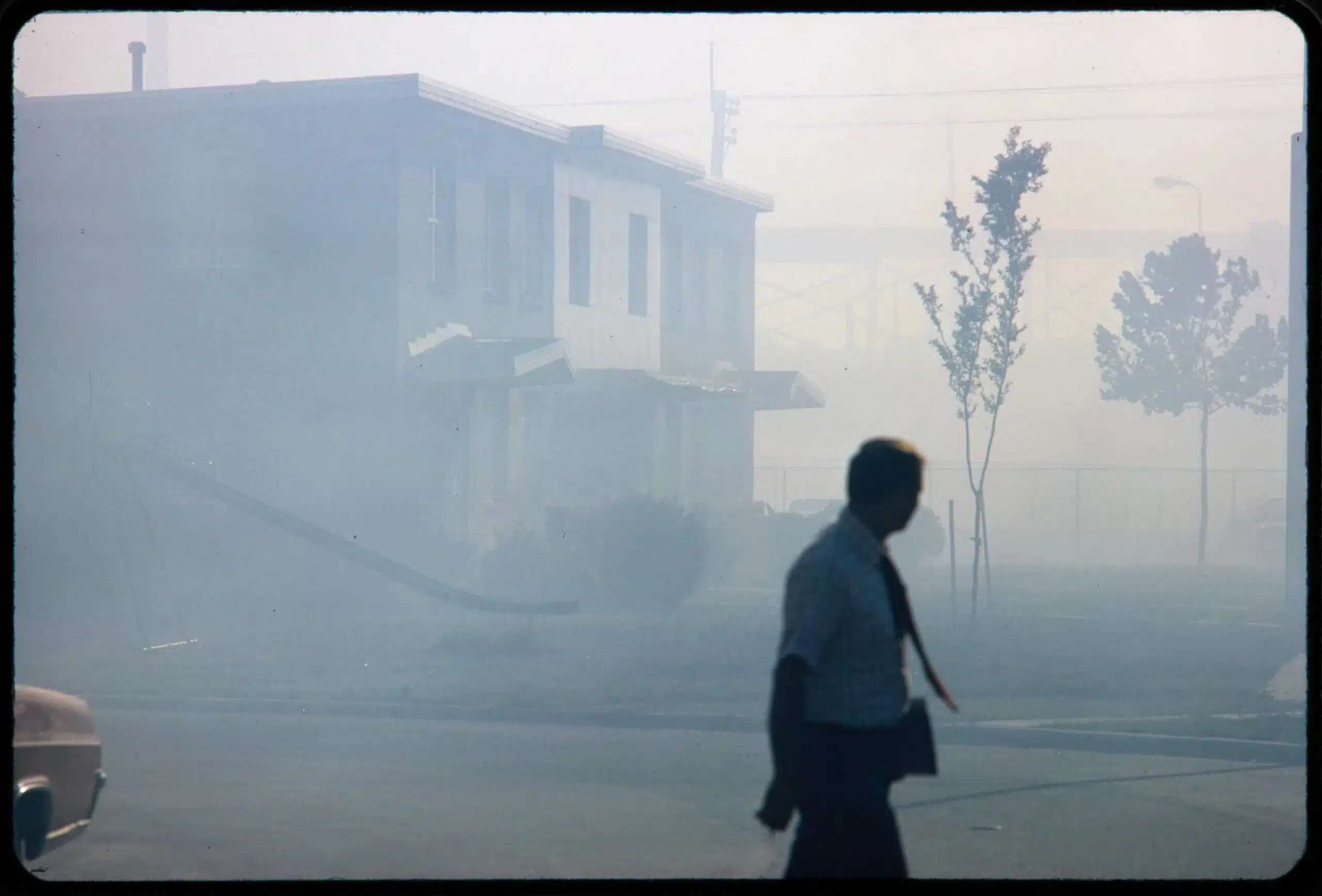
Each of the photographers had a different focus, and many worked in their hometowns. Tom Hubbard captured the vibrant life of Cincinnati especially of Fountain Square downtown. David Hiser focused on the American Southwest including early attempts at eco-friendly building via recycled materials like beer cans. Marc St. Gil worked mainly in Texas, capturing both rural life and the impacts of pollution there.
Go in depth studying the environmental movement in 1970s Unboxed!
Learn more about primary sources for studying slavery.